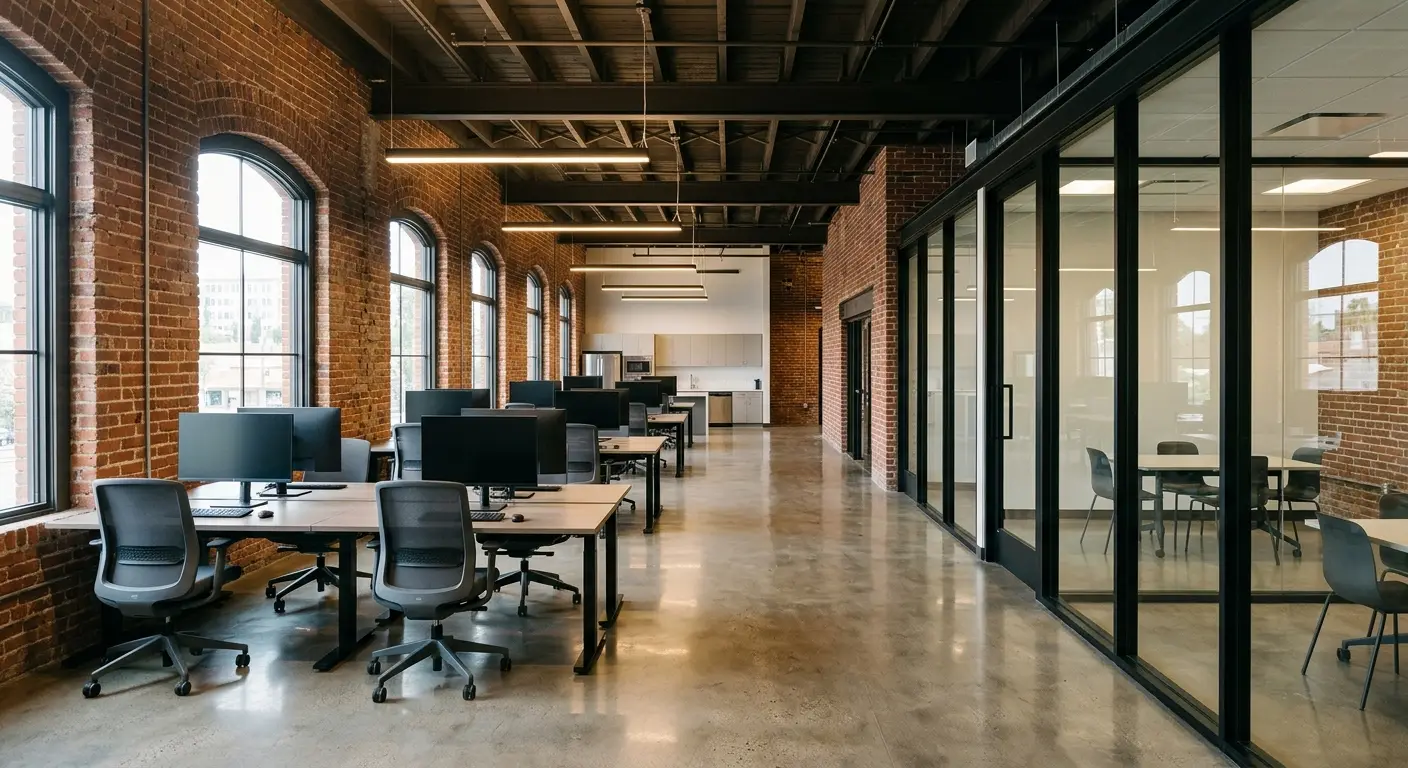
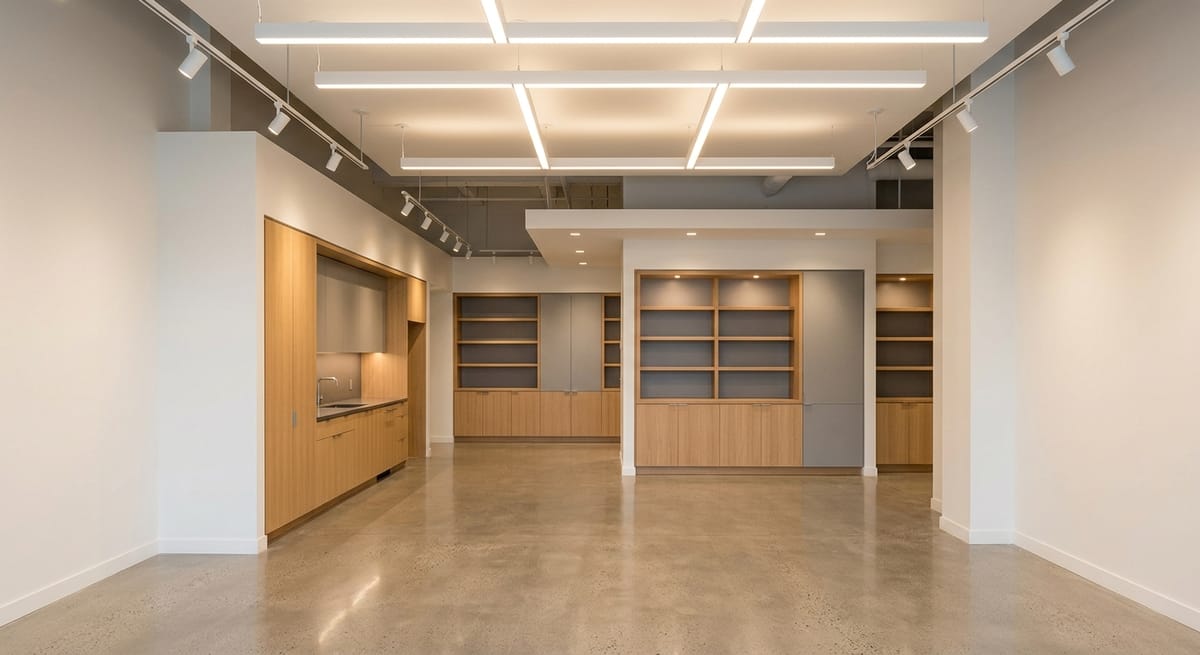
Planning for tenant improvements in Modesto requires a clear understanding of both current commercial leasing trends and the specific regulatory environment of the Central Valley. Whether you are a property manager preparing a vacant retail space for a new brand or a business owner looking to optimize an existing office layout, the process of modifying a commercial interior involves significant technical and legal considerations. These interior alterations, often referred to as build-outs, are essential for ensuring that a physical space aligns with the operational needs of a modern enterprise while remaining compliant with California’s rigorous building standards. Understanding the scope of these projects helps stakeholders manage timelines, budgets, and expectations effectively from the initial design phase through to the final inspection and occupancy permit.
The current landscape for commercial property in Modesto is increasingly influenced by broader regional shifts, particularly regarding energy efficiency and sustainability. As businesses look to modernize their footprints, the integration of new technologies and high-efficiency systems has moved from being an optional upgrade to a core requirement of most successful tenant improvements. This shift is driven by both market demand for lower operating costs and a tightening regulatory framework at the state level. By focusing on these improvements now, property owners can future-proof their assets against upcoming changes in building codes while providing a more attractive environment for high-quality tenants who prioritize modern, efficient workspaces. This article explores the technical standards, local impacts, and practical steps involved in executing successful commercial renovations in the Modesto area.
Bay Area Electrification Trends Impact Commercial Leasing
The push toward building electrification is no longer confined to the immediate San Francisco Bay Area, as its influence is now being felt across the Central Valley commercial markets. According to SPUR, the "Ensuring Affordability" report released in July 2026 highlights how the transition from natural gas to electric systems is becoming a critical factor in protecting long-term tenant viability and property value. For Modesto property owners, this means that tenant improvements are increasingly involving the removal of gas lines and the installation of heavy-duty electrical infrastructure to support heat pumps, induction cooking in restaurant spaces, and advanced climate control systems. This transition is not merely a trend but a response to the evolving California Energy Commission building energy efficiency standards, which mandate stricter performance metrics for newly renovated commercial interiors.
As these electrification mandates become more common, the complexity of a standard build-out increases significantly. Modern tenant improvements must now account for increased electrical load requirements, which often necessitate upgrades to the building's main transformer or distribution panels. This is particularly relevant for businesses moving into older structures in downtown Modesto, where existing electrical systems may not have been designed for the high-demand equipment used in modern data centers or medical clinics. Failure to address these energy standards during the renovation phase can lead to significant delays in permit approval or costly retrofits later. By aligning interior modifications with state-level electrification goals, property managers can ensure their buildings remain competitive and compliant in a rapidly changing energy landscape.
Furthermore, the financial implications of these energy transitions are reshaping how tenant improvement allowances are structured. Landlords are increasingly willing to invest in the "bones" of the building, such as upgraded electrical service and high-efficiency HVAC shells, while leaving the specific aesthetic finishes to the tenant. This collaborative approach ensures that the fundamental infrastructure meets the latest standards while allowing the tenant to customize the space to their specific brand requirements. According to the City of Modesto, the rise of data-intensive businesses in the region has further emphasized the need for robust power and cooling systems, making these technical upgrades a primary focus for any commercial renovation project in the current market.
Local Impact on Modesto Commercial Property Managers
Commercial property managers in Modesto must navigate a unique set of local requirements, especially when dealing with properties located within the city's historic districts or the downtown core. The Modesto Planning Division maintains strict oversight regarding alterations to buildings that contribute to the city's architectural heritage. For those undertaking tenant improvements in these areas, the process often involves additional layers of review to ensure that interior changes do not negatively impact the structural integrity or the historical character of the exterior facade. Unauthorized alterations to storefronts, such as the installation of non-compliant signage or the removal of original structural elements, can result in significant fines and orders to restore the property to its original condition at the owner's expense.
Beyond historical considerations, the local climate in the Central Valley plays a major role in how interior spaces are designed and modified. With summer temperatures frequently exceeding 100 degrees, the efficiency of the building envelope and the reliability of the HVAC system are paramount. Property managers often find that tenant improvements must include high-performance insulation and advanced glazing for windows to maintain comfortable interior temperatures without skyrocketing utility costs. In Turlock and surrounding areas, local leadership has also emphasized the importance of maintaining strong municipal finances and safe streets to attract new businesses, as noted by the Modesto Bee. This local economic stability encourages long-term investment in commercial properties, provided that the renovations meet both state codes and local community standards.
The consequence of ignoring local building codes or failing to secure the proper permits can be devastating for a commercial lease. In Modesto, code enforcement officers are active in monitoring commercial corridors for unpermitted work. If a renovation is discovered to be non-compliant, the city can issue a "Stop Work" order, which halts construction and can trigger a default in the lease agreement if the tenant cannot open for business as scheduled. Moreover, unpermitted structural changes or electrical work can create significant liability issues for property managers, potentially voiding insurance coverage in the event of a fire or structural failure. Adhering to the established local guidelines is not just a legal requirement but a fundamental strategy for protecting the long-term value of the commercial asset.
Technical Standards for Modesto Tenant Improvements
Executing professional tenant improvements in California requires strict adherence to the California Building Standards Code, specifically Title 24, which governs everything from structural safety to energy conservation. The technical process typically begins with the installation of demising walls to define the leased space. These walls must be constructed using fire-rated gypsum board and metal stud framing that meets specific hourly fire-resistance ratings as dictated by the building’s occupancy type. Once the perimeter is established, the focus shifts to the internal layout, including the installation of commercial-grade flooring systems, suspended ceilings, and MEP (Mechanical, Electrical, and Plumbing) trim. Every component must be selected based on its durability and compliance with the California Building Standards Commission regulations to ensure the safety of the public and the occupants.
A critical distinction in any renovation project is the difference between load-bearing modifications and cosmetic build-outs. While painting and carpeting may only require minor oversight, any change that affects the building's structural frame, such as moving a supporting column or creating a new opening in a shear wall, requires engineered drawings and specialized seismic bracing. In Modesto, a common failure point in substandard tenant improvements is the improper bracing of suspended ceiling grids and heavy lighting fixtures. California's seismic zone requirements mandate that these elements be independently supported and braced to prevent collapse during an earthquake. Professional contractors ensure that compression struts and splay wires are installed according to the exact specifications of the building code, a detail that is often overlooked by less experienced crews.
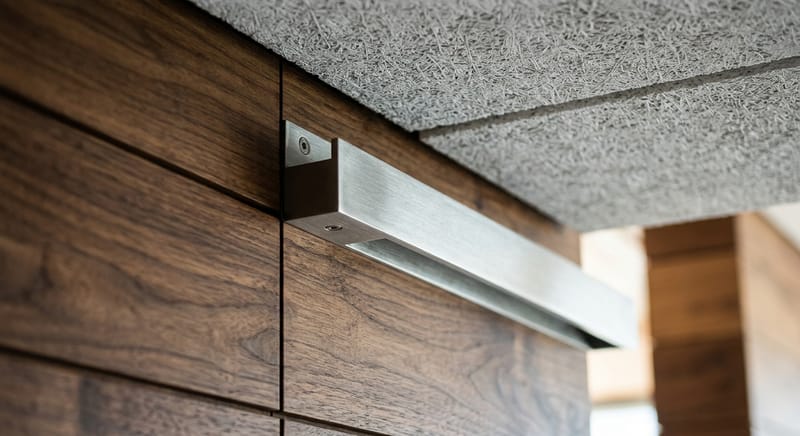
The final stages of the technical build-out involve the integration of life safety systems, including fire sprinklers and alarm sensors. In a commercial setting, these systems must be modified to match the new wall partitions, ensuring that every room has adequate coverage and that exit signs remain visible from all points in the space. The plumbing and electrical "rough-in" phase is followed by the installation of fixtures and final trim, which must also meet ADA (Americans with Disabilities Act) standards for accessibility. This includes specific mounting heights for light switches, sinks, and door hardware. By following this disciplined sequence and using specified materials, the project moves toward a successful final inspection, providing a space that is not only functional for the tenant but also fully compliant with the rigorous safety standards of the State of California.
How to Initiate a Commercial Build-Out in Modesto
The first step in initiating a commercial renovation is a thorough immediate assessment of the existing space. Before any demolition begins or materials are ordered, it is vital to document the current state of the property through high-resolution photography and detailed measurements. This documentation serves as a baseline for insurance purposes and ensures that any pre-existing damage is not attributed to the new construction. For tenant improvements, you should specifically record the condition of the subfloor, the existing HVAC ductwork, and the location of all utility shut-off valves. Keeping these records organized helps in resolving potential disputes with landlords or contractors and provides the necessary proof of condition required for municipal compliance and future property valuations.
Once the assessment is complete, the next priority is a council and permit check through the Modesto building department. It is essential to verify whether the intended use of the space matches the current zoning and what specific permits will be required for the planned modifications. Most information regarding permit applications and fee schedules can be found on the official city website. Starting any work without a valid permit can lead to heavy fines and may require you to tear out completed work to allow for inspections of hidden electrical or plumbing components. In Modesto, the permit approval process can take several weeks or even months depending on the project's complexity, so this step must be factored into the overall timeline to avoid costly delays in the business opening.
When you are ready to move forward, getting quotes from multiple contractors is the standard practice for ensuring a fair market price and a clear scope of work. A professional quote for tenant improvements should be highly detailed, breaking down costs for demolition, framing, electrical, plumbing, and finishes. If a quote is missing specific line items or seems unusually low, it may signal that the contractor is planning to use inferior materials or has not accounted for necessary permit fees. It is generally recommended to get at least three competitive bids and compare them not just on the total price, but on the proposed timeline, the quality of materials specified, and the contractor's specific experience with similar commercial projects in the Central Valley area.
Verifying contractor credentials is a non-negotiable part of the due diligence process in California. For commercial build-outs, the contractor must hold a valid Class B General Building Contractor license issued by the California Contractors State License Board. You can verify the status of a license, including any past disciplinary actions or bond payouts, on the official state register online. Additionally, you must require proof of workers' compensation insurance and general liability insurance with limits appropriate for commercial work. Hiring an unlicensed or under-insured contractor puts the property owner at immense financial risk, as any injuries on the site or damage to the building could become the owner's direct legal and financial responsibility.
Time-sensitive factors such as the local climate in Modesto must also be considered when planning the project. The extreme heat of the summer months can affect the curing times of certain materials like concrete or specialized adhesives used in commercial flooring. Furthermore, high demand for HVAC technicians during the peak cooling season can lead to longer lead times for equipment delivery and installation. Planning your tenant improvements during the shoulder seasons or ensuring that long-lead items like specialized glazing or rooftop units are ordered well in advance can prevent the project from stalling. Understanding these local environmental and supply chain factors allows for a more realistic construction schedule and helps maintain the quality of the final installation.
Finally, there are specific conditions where professional help is absolutely non-negotiable. While a tenant might handle minor cosmetic updates like painting or furniture assembly, any work involving the building's "core" systems, such as the electrical panel, the fire suppression system, or any structural walls, requires a licensed professional. Attempting to DIY these elements is not only risky from a safety perspective but will almost certainly void any existing warranties on the building's systems and could lead to a denial of insurance claims in the future. The threshold for professional intervention is generally any work that requires a permit or involves the life-safety systems of the building. Investing in professional expertise ensures the work is done right the first time and protects the long-term viability of the commercial lease.
Ensuring Compliance and Long-Term Asset Protection
The long-term value of a commercial property in Modesto is directly tied to the quality and compliance of its interior renovations. In California, performing significant structural or system work requires a Class B General Building Contractor license, as regulated by the Contractors State License Board. Using licensed professionals ensures that the work adheres to the latest safety codes and that the property owner is protected by mandatory bonding and insurance. This is particularly important when dealing with ADA compliance and accessibility upgrades, where even a minor deviation in the slope of a ramp or the width of a doorway can lead to expensive legal challenges and required remediation. Proper documentation of these upgrades is essential during property resale or when securing new financing.
Another critical aspect of professional tenant improvements is the correct installation of demising walls and space division. These structures are not just partitions; they are vital fire-life safety components that prevent the spread of smoke and flames between different business suites. When these walls are installed incorrectly, perhaps by failing to seal penetrations for pipes or wires with approved fire-stop materials, the entire building's safety rating is compromised. Professional contractors are trained to recognize these requirements and ensure that every firewall maintains its integrity. This level of diligence protects the occupants and ensures that the building passes annual fire marshal inspections without the need for costly emergency repairs.
Ultimately, unpermitted or substandard commercial work creates a "cloud" over the property's title that can complicate future transactions. During the due diligence phase of a building sale, savvy buyers will cross-reference the physical state of the building with the permit history on file with the city. If discrepancies are found, it can lead to a significant reduction in the sale price or even cause the deal to collapse entirely. By insisting on permitted, professional work for all tenant improvements, property owners ensure that their investment remains a "clean" asset. This commitment to quality not only satisfies current tenants but also builds a foundation for long-term financial growth and stability in the competitive Modesto commercial real estate market.
How much is a typical tenant improvement allowance?
A typical tenant improvement allowance in Modesto varies significantly based on the lease term, the condition of the space, and the tenant's creditworthiness. For a standard "shell" space, allowances often range from $20 to $50 per square foot, though high-end medical or restaurant build-outs can command much higher figures. Landlords provide these funds as an incentive for long-term leases, usually covering the costs of basic infrastructure like framing, HVAC, and electrical. It is important to negotiate whether the allowance covers "soft costs" like architectural fees and permits or is strictly for "hard costs" like construction materials and labor.
How to calculate tenant improvements?
Calculating the total cost of tenant improvements requires a detailed breakdown of both hard and soft costs. Start with the "hard costs," which include demolition, framing, electrical rough-in, plumbing, flooring, and paint. In the Modesto market, these can range from $50 to over $150 per square foot depending on the complexity of the design. Then, add "soft costs" such as architectural drawings, engineering fees, city permit fees, and project management. It is also wise to include a contingency fund of 10% to 15% to cover unforeseen issues, such as discovering outdated wiring or structural problems behind existing walls that must be corrected to meet current California codes.
Who usually pays for tenant improvements?
The responsibility for paying for tenant improvements is a key point of negotiation in a commercial lease. In many cases, the landlord provides a set allowance (TI Allowance), and the tenant pays for any costs that exceed that amount. Alternatively, in a "turnkey" build-out, the landlord manages and pays for the entire renovation based on an agreed-upon plan, though this often results in higher monthly rent. In some "as-is" leases, the tenant may be responsible for all costs in exchange for a lower rent or a period of free rent. The specific arrangement depends on the current demand in the Modesto commercial market and the specific needs of the business.
How do landlords typically handle tenant improvements?
Landlords typically handle tenant improvements in one of two ways: through a tenant-controlled build-out or a landlord-controlled "turnkey" project. In a tenant-controlled scenario, the tenant hires the contractors and manages the project, with the landlord reimbursing agreed-upon costs after receiving proof of payment and lien waivers. This gives the tenant more control over the quality and specific details. In a landlord-controlled project, the landlord’s team handles the construction to ensure the work meets the building's standards and minimizes disruption to other tenants. Regardless of the method, the landlord will require all work to be permitted and performed by licensed California contractors.
How much does tenant improvements cost modesto?
The cost of tenant improvements in Modesto is influenced by local labor rates and the specific requirements of the California Building Code. For a basic office refresh, costs might start around $40 to $60 per square foot. However, specialized spaces like restaurants or dental clinics, which require extensive plumbing, specialized ventilation, and high-power electrical service, can easily exceed $200 per square foot. Factors such as the age of the building, the need for seismic retrofitting, and the quality of finishes selected will all impact the final price. Property owners should also account for the cost of Modesto municipal permits and mandatory ADA accessibility upgrades during their budgeting process.
Conclusion
Successful tenant improvements are the result of careful planning, a deep understanding of California building codes, and a commitment to quality craftsmanship. By focusing on essential infrastructure like electrification, seismic safety, and ADA compliance, property owners in Modesto can create spaces that are not only functional for today's businesses but also resilient for the future. The integration of modern energy standards and the adherence to local planning guidelines ensure that commercial assets remain valuable and competitive. Whether you are navigating the requirements of a historic district or modernizing a suburban retail center, the key is to prioritize professional, permitted work that protects both the occupants and the investment. For those ready to move forward, the next practical step is to conduct a professional site assessment and begin the architectural design process to ensure every detail of your build-out meets the high standards required in the Central Valley.
More Commercial Construction Services at HF Contractors Modesto
For more information about Commercial Construction services at HF Contractors Modesto, explore the pages below:
- Commercial Construction
- Facilities Maintenance Repairs
- Roofing
- Concrete Asphalt
- Exterior Trades
- Restoration Reconstruction
- Structural Safety
- Exterior Site Work
- Emergency Mitigation Debris Removal
- Residential Construction
Resources & External Sources
- City of Modesto, 2026-09-02
- The Modesto Bee, 2026-09-02
- Wilson General Contracting, 2026-09-02
- Paradigm Construction Management, 2026-09-02
- ABC10 News, 2026-09-02
Frequently Asked Questions
How much is a typical tenant improvement allowance?
The typical tenant improvement allowance in the Modesto market varies significantly based on the condition of the space and the length of the lease term. For a standard office or retail shell, landlords often provide between twenty and forty dollars per square foot to help cover basic build-out costs. However, in a competitive market, these numbers fluctuate based on the tenant's creditworthiness and the specific needs of the industry being served.
How to calculate tenant improvements?
Calculating tenant improvements requires a detailed assessment of the total square footage multiplied by the estimated cost of construction materials and labor. To reach an accurate figure, one must factor in the costs of architectural drawings, required city permits, electrical upgrades, plumbing installations, and interior finishes like flooring and paint. It is also essential to include a contingency fund of at least ten percent to cover any unexpected expenses that arise during the renovation.
Who usually pays for tenant improvements?
The responsibility for paying for tenant improvements is a primary point of negotiation in most commercial lease agreements. In many cases, the landlord provides a specific dollar amount known as an allowance, while the tenant is responsible for any costs that exceed that predetermined limit. Alternatively, a turnkey agreement may involve the landlord paying for all improvements upfront, though this often results in a higher monthly rent for the tenant over the duration of the lease.
How do landlords typically handle tenant improvements?
Landlords typically handle tenant improvements through either a tenant improvement allowance or a turnkey build-out process. With an allowance, the landlord provides a set budget, and the tenant manages the construction process using their own contractors. In a turnkey scenario, the landlord oversees the entire renovation project according to the tenant's specifications before the move-in date. The chosen method usually depends on the landlord's level of involvement and the tenant's desire for control over the design.
How much does tenant improvements cost modesto?
In Modesto, the cost of tenant improvements generally ranges from fifty to over one hundred dollars per square foot depending on the complexity of the project. Basic office refreshes involving new carpet and paint sit at the lower end of the spectrum, while specialized medical offices or restaurant spaces with heavy plumbing and ventilation requirements represent the higher end. Local labor rates and the current price of construction materials in the Central Valley also heavily influence these final project costs.
Conclusion
Successful tenant improvements are the result of careful planning, a deep understanding of California building codes, and a commitment to quality craftsmanship. By focusing on essential infrastructure like electrification, seismic safety, and ADA compliance, property owners in Modesto can create spaces that are not only functional for today's businesses but also resilient for the future. The integration of modern energy standards and the adherence to local planning guidelines ensure that commercial assets remain valuable and competitive. Whether you are navigating the requirements of a historic district or modernizing a suburban retail center, the key is to prioritize professional, permitted work that protects both the occupants and the investment. For those ready to move forward, the next practical step is to conduct a professional site assessment and begin the architectural design process to ensure every detail of your build-out meets the high standards required in the Central Valley.
More Commercial Construction Services at HF Contractors Modesto
For more information about Commercial Construction services at HF Contractors Modesto, explore the pages below: