Maintaining the structural integrity and operational efficiency of a commercial property in the Central Valley requires a rigorous commitment to scheduled preventative maintenance. This proactive approach ensures that minor wear and tear does not escalate into catastrophic building failure, protecting both the physical asset and the safety of its occupants. As property owners navigate the complexities of local infrastructure risks and aging facilities, understanding the technical requirements of a consistent scheduled preventative maintenance plan becomes essential for long-term financial stability and regulatory compliance in the Modesto region.
The importance of this systematic care is underscored by the unique environmental challenges found in Stanislaus County, where extreme temperature fluctuations and seasonal moisture can rapidly degrade building materials. By establishing a clear roadmap for inspections and repairs, stakeholders can move away from the high-stress cycle of reactive fixes and toward a predictable model of facility management. This article explores the critical components of a professional maintenance strategy, the local regulatory landscape, and the practical steps necessary to safeguard your investment through scheduled preventative maintenance against the inevitable pressures of time and weather.
Modesto City Council Meeting Highlights Infrastructure Risks
Recent discussions within local government have brought the state of regional infrastructure into sharp focus, emphasizing the need for diligent property oversight. According to the Modesto Bee in their report dated January 16, 2026, the Modesto City Council met to address several items related to municipal stability and public works. A specific point of concern raised during the session involved the aging stormwater conveyance systems, which are struggling to handle the increased runoff from intensified winter storm cells. While many items passed without extensive public debate, the underlying message for property owners is clear: the reliability of local infrastructure cannot be taken for granted, and individual responsibility for building safety is paramount. When the city evaluates its own assets, it often reveals the broader vulnerabilities that all structures in the area face, from drainage capacity to seismic readiness.
The council's focus on infrastructure serves as a vital reminder that scheduled preventative maintenance is not merely an optional expense but a fundamental requirement for community safety. Information provided via the News Flash portal indicates that the city continues to monitor developments that could impact property standards and local building health. Specifically, the council highlighted that deferred maintenance on municipal buildings has led to a 15% increase in emergency repair costs over the last fiscal year. This concrete data implies that private owners who delay scheduled preventative maintenance inspections will likely face similar or higher cost escalations. Furthermore, the city’s move to tighten inspection protocols means that commercial properties with visible exterior neglect are now more likely to trigger formal citations during routine neighborhood sweeps.
Beyond the immediate council findings, the broader industry context suggests that Modesto is entering a period where aging facilities require more sophisticated intervention. The data shared during municipal sessions often mirrors the challenges seen in the private sector, such as the degradation of concrete flatwork and the failure of building envelopes due to deferred care. By staying informed through official channels like the Modesto High School: Home news updates and city bulletins, owners can better anticipate the types of failures that are currently trending in the local area, allowing them to adjust their scheduled preventative maintenance priorities accordingly before a crisis occurs. This proactive alignment with city-wide data helps owners prioritize high-risk areas like foundation settling and roof membrane thinning before they become unmanageable.
The High Cost of Neglect for Modesto Property Owners
In the Central Valley, the cost of ignoring a building's needs is significantly higher than the investment required for regular care. The local climate, characterized by intense summer heat and concentrated winter rainfall, creates a "expansion and contraction" cycle that is particularly brutal on stucco, wood framing, and roofing systems. Without scheduled preventative maintenance, these environmental factors accelerate the development of dry rot and foundation shifts. In suburbs like Salida or Ceres, where soil composition can vary significantly, the lack of proper perimeter drainage often leads to localized soil saturation. When moisture penetrates a compromised building envelope during the rainy season, it often remains trapped during the heat of the summer, creating an ideal environment for mold and structural decay that remains hidden until the damage is extensive.
The financial consequences of this neglect often manifest as a sudden, massive capital expenditure that could have been avoided with incremental repairs. According to the Stanislaus County Planning and Community Development department, maintaining compliance with safety codes is a continuous obligation for property owners. A specific failure mode frequently observed in Modesto involves the degradation of parapet wall flashing; when this fails, water migrates into the wall cavity, rotting the structural studs without any visible interior leaking for months. Per the California Building Code (Title 24, Part 2), all exterior walls must provide a continuous water-resistive barrier. Failure to maintain this barrier through scheduled preventative maintenance is a direct violation of local safety standards and can lead to immediate red-tagging of the facility if the structural integrity of a load-bearing wall is compromised.
Property owners must also consider the insurance implications of deferred maintenance. Most commercial and residential policies include clauses that exclude coverage for damage resulting from "wear and tear" or "lack of maintenance." If a roof leak causes interior damage, but the underlying cause is found to be years of neglected flashing or clogged gutters, the claim may be denied in its entirety. This leaves the owner responsible for both the structural restoration and the interior build-out costs. Utilizing resources like the 2026 Garage Stars: Celebrating Excellence in Fleet Maintenance findings can provide insights into how high-performing organizations prioritize their assets to avoid such catastrophic financial leaks. In the Modesto market, a documented history of professional scheduled preventative maintenance inspections is often the only way to successfully appeal a denied claim based on alleged neglect.
Implementing Effective Scheduled Preventative Maintenance
A technically sound approach to scheduled preventative maintenance begins with a comprehensive audit of the building's critical systems, moving from the exterior shell inward. This process typically starts with a building envelope inspection, where technicians look for micro-cracks in stucco, failing sealants around fenestrations, and signs of UV degradation on roofing membranes. According to the International Property Maintenance Code (IPMC), which informs many local Modesto ordinances, structures must be kept in good repair and remain weather-tight to protect the health and safety of occupants. In Modesto, this means ensuring that high-grade silicone or polyurethane sealants are replaced before they lose elasticity, preventing water from reaching the sensitive wood or metal framing beneath the facade. An inspector will specifically check for "chalking" on sealant surfaces and "alligatoring" on roof coatings as primary indicators of material fatigue.
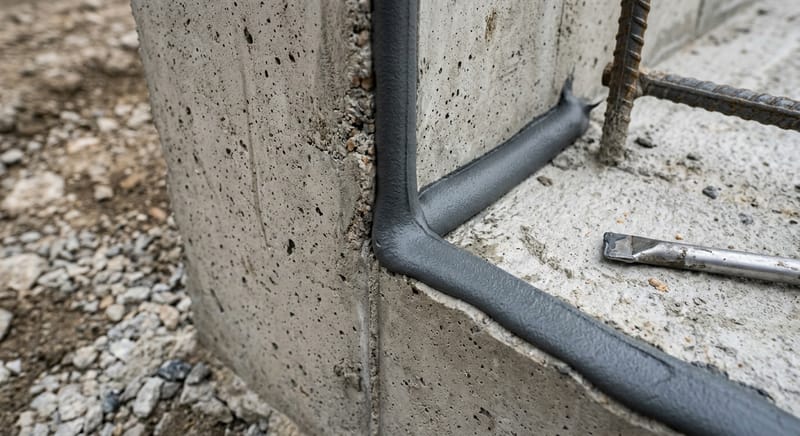
Materials play a decisive role in the longevity of these maintenance efforts, particularly when dealing with the intense UV exposure of the Central Valley. Professional scheduled preventative maintenance teams utilize weatherproofing membranes and specialized coatings that are specifically rated for high thermal movement. For example, when servicing a commercial roof, the focus is often on the integrity of the TPO or modified bitumen seams and the condition of the flashing. A quality maintenance program distinguishes itself by providing comprehensive documentation, including high-resolution photography and moisture sensor readings, rather than relying on a simple visual walkthrough. Good work is characterized by clean, uniform sealant beads, properly lapped flashing that directs water away from the structure, and the absence of "ponding" water on flat surfaces. Conversely, poor work often shows signs of "gooping" (applying new sealant over old, failing material), mismatched coatings that lead to delamination, and visible gaps in transition zones between different building materials.
Compliance with the California Building Code, specifically Title 24, is another critical layer of a professional maintenance strategy. This code governs not only the initial construction but also the ongoing energy efficiency and safety standards of the building. Consistent scheduled preventative maintenance must account for the performance of HVAC systems, ensuring that economizers and filters are functioning correctly to meet indoor air quality requirements. Common failure points in Modesto commercial properties often include ignored roof flashing and clogged commercial gutters, which can lead to water backing up under the roof line. One frequent installation mistake is the use of non-compatible fasteners on metal roofs, which leads to galvanic corrosion and premature hole formation. Another mistake is the improper sealing of roof-mounted equipment curbs, which results in persistent leaks that bypass the main roofing membrane entirely, causing hidden deck rot.
The difference between expert-level care and a cursory check is most visible in the details of the site work. A high-standard scheduled preventative maintenance plan includes the testing of site drainage systems and the inspection of concrete flatwork for trip hazards, which is essential for ADA compliance. Poorly executed maintenance often overlooks the "small" issues, such as a slightly recessed drain or a hairline crack in a retaining wall, which eventually lead to soil erosion and foundation instability. By addressing these items during a scheduled visit, the contractor prevents the need for invasive structural safety interventions later, ensuring the property remains a safe and viable asset for its owners and tenants alike. Technicians must verify that all site drains are clear of silt and that the "slope-to-drain" ratio remains consistent with the original civil engineering specifications for the parcel.
Five Critical Steps to Protect Your Modesto Investment
The first step in a successful property protection strategy is the implementation of a rigorous immediate assessment protocol. Before any physical work begins, you must thoroughly observe, photograph, and document the current state of the facility, including close-ups of all penetrations and joints. This documentation serves as a vital baseline for insurance purposes and ensures that any future changes in the building's condition can be accurately tracked. In Modesto, where soil movement and heat can cause rapid changes, having a dated photographic record of stucco surfaces, roof seams, and foundation lines is non-negotiable. This evidence is often the deciding factor in successful insurance claims or in demonstrating compliance during a city building inspection, providing a clear "before and after" narrative for any required remediation.
Once the baseline is established, the second step involves a proactive council and permit check. Many property owners mistakenly believe that scheduled preventative maintenance work never requires official oversight, but in Modesto, certain repairs, especially those involving structural elements or significant exterior changes, may require a permit. You should verify requirements through the Modesto Building Safety Division website and check for specific Form B-100 or Commercial Alteration requirements to avoid the risk of "stop-work" orders or heavy fines. Understanding the local permit timeline is also essential for project planning, as processing times can range from 10 to 30 business days. Starting work without the necessary approvals can lead to legal complications that jeopardize the property's title or future saleability, often requiring expensive retroactive engineering certifications.
The third step focuses on the procurement of professional services through a detailed quoting process. A proper quote for scheduled preventative maintenance must go beyond a simple price tag; it should include a specific scope of work, a list of materials to be used, and a clear timeline for completion. When comparing quotes, look for missing items such as debris disposal fees, equipment rental costs, or permit processing charges, which can signal a lack of thoroughness in a contractor's approach. It is standard practice to obtain at least three comparable quotes to ensure that the proposed costs align with the local Modesto market while still providing the depth of service required to actually protect the building. Ask specifically about the manufacturer's warranty on the materials proposed and whether the contractor provides a separate workmanship warranty.
Verification of contractor credentials constitutes the fourth critical step. In California, anyone performing work over $500 must hold a valid license from the California Contractors State License Board (CSLB). You must verify that the contractor's license is active and specifically covers the trade required for your scheduled preventative maintenance needs, such as a Class B (General Building) or C-33 (Painting and Decorating) license. Furthermore, you should demand proof of workers' compensation and general liability insurance, specifically asking for an "Additional Insured" endorsement for your property. This protects you from being held financially responsible for on-site accidents or damage caused during the maintenance process, a risk that is significantly higher when hiring unlicensed or under-insured "handymen" for complex commercial tasks that involve heights or structural components.
The fifth step addresses the time-sensitive factors unique to the Modesto environment. Timing your scheduled preventative maintenance work to coincide with the local weather patterns is essential for material performance. For instance, sealants and paints should be applied during the temperate spring or fall months, as extreme summer heat exceeding 100 degrees can cause these materials to cure too quickly and fail prematurely. Conversely, all drainage and roofing maintenance should be completed well before the valley's winter rainy season begins in November. Planning your scheduled preventative maintenance around these seasonal windows ensures that the materials perform as intended and that the building is fully prepared for the harshest conditions of the year, maximizing the return on your maintenance investment.
The final step is recognizing when professional help is non-negotiable. While minor tasks like clearing surface debris might be handled by a property owner, any work involving structural integrity, electrical systems, or the building envelope requires a licensed professional. Attempting DIY repairs on critical systems often voids manufacturer warranties on materials and can lead to non-compliant work that must be redone at a higher cost. If you notice signs of significant structural stress, such as large cracks in load-bearing walls or persistent water intrusion, the threshold for professional intervention has been crossed. You should immediately consult with a specialist who can provide a Structural Observation Report, which is often required by lenders and insurers to prove the ongoing safety and viability of the commercial asset.
Ensuring Compliance Through Professional Standards
Professional standards in the construction and maintenance industry are designed to protect property owners from the long-term risks of substandard work. In California, the Contractors State License Board (CSLB) sets strict requirements for licensing and conduct, ensuring that those performing scheduled preventative maintenance possess the necessary skills and legal standing. Specifically, contractors must maintain a Contractor’s Bond of at least $25,000 to protect consumers against financial loss from poor workmanship or failure to complete a project. Utilizing a licensed contractor provides a layer of consumer protection that is absent with unlicensed labor, including access to dispute resolution and the assurance that the work meets the minimum safety standards defined by state law. For commercial entities, this compliance is a key component of risk management and corporate responsibility.
The penalty for hiring unlicensed individuals for work requiring a license in California can be severe, including potential liability for all injuries sustained by the worker on your property, as unlicensed workers are legally considered your employees. Furthermore, the consequences of non-compliant work extend far beyond a failed city inspection. Substandard maintenance can lead to the voiding of expensive material warranties, such as those provided by roofing manufacturers, which often require proof of professional care to remain valid. If a property owner cannot demonstrate that they have followed a professional scheduled preventative maintenance plan, they may find their insurance claims denied, leaving them with total liability for the loss. This is particularly relevant for structural safety issues where the long-term liability for tenant injury or property damage can reach into the millions of dollars.
Adhering to professional standards also means following the specific guidelines set forth by local educational and municipal bodies. For example, the Scheduled Preventative Maintenance requirements CA documents often outline the rigorous standards required for public facilities, which serve as an excellent benchmark for private commercial properties. These standards often dictate specific inspection frequencies for fire suppression systems and emergency lighting, which are mandatory under the California Fire Code. By adopting these high-level standards, property owners ensure that their buildings remain safe, efficient, and compliant with all state and local regulations. This commitment to quality not only protects the physical structure but also enhances the reputation and value of the property in the competitive Modesto real estate market, making it more attractive to high-quality, long-term tenants.
Frequently Asked Questions
What is a preventative maintenance schedule?
A preventative maintenance schedule is a systematic plan designed to ensure that equipment and machinery receive regular inspections and servicing to prevent unexpected failures. In Modesto, businesses and homeowners use these schedules to track necessary tasks such as oil changes, filter replacements, and component inspections based on time intervals or usage metrics. By adhering to a strict timeline, operators can identify potential issues before they escalate into costly repairs, thereby extending the overall lifespan of their assets and maintaining consistent operational efficiency throughout the year.
What are the 5 types of preventive maintenance?
The five primary types of preventive maintenance include time-based maintenance, usage-based maintenance, predictive maintenance, prescriptive maintenance, and failure-finding maintenance. Time-based tasks occur at specific intervals, such as every six months, while usage-based maintenance is triggered by equipment counters like mileage or hours of operation. Predictive maintenance utilizes sensor data to anticipate failures, prescriptive maintenance offers specific data-driven recommendations for repairs, and failure-finding maintenance involves testing hidden functions to ensure they will work correctly during an emergency situation or a system failure.
Can you give me an example of planned preventive maintenance?
A common example of planned preventive maintenance is the routine servicing of a commercial heating and cooling system in a Modesto facility. This process involves a technician visiting the site at a predetermined time to clean the condenser coils, check refrigerant levels, lubricate moving parts, and replace air filters. Because this work is scheduled in advance during the off-season, it prevents the unit from breaking down during extreme summer heat, ensuring that the building remains comfortable for occupants while avoiding the high costs associated with emergency mechanical repairs.
What are preventive maintenance and scheduled maintenance?
Preventive maintenance and scheduled maintenance are related concepts that differ slightly in their core focus and execution. Preventive maintenance refers to the broad strategy of performing inspections and minor repairs to keep equipment in good working order and prevent degradation. Scheduled maintenance is a specific subset of this strategy that involves tasks that have been officially documented and assigned to a specific time or date on the calendar. Together, they form a comprehensive approach to asset management that minimizes downtime and ensures that all necessary technical interventions are performed systematically.
What is the 30-60-90 rule for car maintenance?
The 30-60-90 rule for car maintenance is a standard industry guideline that recommends specific services every thirty thousand miles to keep a vehicle running reliably. At the thirty-thousand-mile mark, technicians typically focus on changing the oil and air filters, while the sixty-thousand-mile interval often includes replacing fluids, brake pads, and spark plugs. By the time a vehicle reaches ninety thousand miles, more intensive inspections of the timing belt and cooling system are required. Following this structured interval plan helps Modesto drivers maintain their manufacturer warranty and prevents major mechanical failures as the vehicle ages.
Conclusion
Protecting a property in Modesto requires a proactive shift from reactive repairs to a disciplined model of scheduled preventative maintenance. By understanding the local infrastructure risks highlighted by city officials and the specific environmental pressures of the Central Valley, property owners can significantly reduce their long-term liability and repair costs. Professional care ensures compliance with the California Building Code and the CSLB, safeguarding both the structural integrity of the asset and the validity of insurance and warranty protections. The most effective next step is to initiate a rigorous scheduled preventative maintenance program, starting with a comprehensive baseline assessment of your facility to identify immediate priorities before the next seasonal weather shift begins.
More Facilities Maintenance & Repairs Services at HF Contractors Modesto
For more information about Facilities Maintenance & Repairs services at HF Contractors Modesto, explore the pages below: